How building-code statistics and on-site inspections shape kitchen window heights
The data suggests window-related code failures are a frequent source of building inspection corrections on residential remodels. Nationwide code enforcement reports and contractor surveys show that window sizing and placement mistakes account for a large share of rework during permit inspections. One common pattern: windows above kitchen counters are installed with sill heights or operable openings that conflict with ventilation, egress, or safety glazing rules. At the same time, standard window unit dimensions — for example, many double-hung windows are manufactured in heights from about 36 to 72 inches — create pressure to shoehorn standard units into spaces with different functional demands.
Analysis reveals two opposing trends. On the one hand, kitchens often need windows at counter height (around 36 inches) for light and a view from the sink. On the other hand, model building codes impose specific clear-opening and sill-height limits when a window is intended for emergency egress, or when certain hazardous conditions trigger safety-glazing requirements. Evidence indicates the gap between standard product sizes and code-driven functional needs causes early-career contractors to fail inspections until they learn the local nuances.
5 main factors that determine the proper height for a kitchen window
Think of kitchen-window height as determined by five overlapping constraints: code requirements, countertop ergonomics, ventilation needs, window type and performance, and site-specific safety concerns. Each has measurable parameters that affect the final sill and head heights.
1) Code function: egress versus ventilation
If a window is intended as an egress window, the International Residential Code (IRC) sets clear minimum opening dimensions and a maximum sill height. Specifically, an egress window must have a minimum net clear opening area (5.7 square feet for sleeping rooms, smaller in basements), a minimum net clear height of 24 inches, and a width of at least 20 inches, with the sill not more than 44 inches above the finished floor. Kitchens are generally considered habitable rooms, not sleeping rooms, so they rarely require egress-sized windows. The practical takeaway: if the kitchen window doubles as an emergency exit for an adjoining sleeping area, the sill and operable opening must meet those egress numbers.
2) Countertop and appliance ergonomics
Standard kitchen counter height is roughly 36 inches. Homeowners often want the window sill to be at or just above that height so the sink, faucet, and view align. That works well when egress is not required because a 36-inch sill is under the IRC’s 44-inch maximum. The conflict arises when someone wants a very high sill to align with upper cabinetry or range hoods - that can block daylight and make ventilation harder and may fail other requirements.
3) Ventilation and natural light requirements
The IRC requires natural ventilation in habitable rooms unless mechanical ventilation is provided. The typical rule for natural ventilation uses openable area: an operable window area equal to at least 4% of the floor area. The data suggests many kitchen remodels default to small fixed windows and then add mechanical exhaust. In practical terms, a window’s height determines how much operable area you can get: taller windows or combinations of sash types (for example, a tall double-hung) increase net open area without changing sill position.
4) Window type and clear opening capability
Different window types produce different clear openings. Casement windows open wide and provide larger net clear areas for a lower installed height. Double-hung windows offer a partial opening unless both sashes are designed for full operation and the net opening meets the required dimensions. The metric here is net clear opening area and width, not just the installed height.
5) Safety glazing and proximity hazards
Glazing requirements change if the window is in a hazardous location - for example, if glass is adjacent to a cooktop where a fall into glass could occur, or when the glass is low relative to walking surfaces. Local codes adopt sections requiring safety glazing in certain locations. The precise distances vary by code edition, but the governing idea is that lower glazing near active areas often requires tempered glass, which can affect window selection and therefore height decisions.
Comparisons and contrasts: compared to bedroom windows, kitchen windows are less likely to need egress dimensions, but they’re more likely to require tempered glass or be constrained by counter height and cabinetry. Compared to living-room windows, kitchen windows must more closely integrate with plumbing and appliances, which limits sill movement.
Why inspection failures happen: real examples, measurements, and inspector insights
One common inspection failure comes from assuming a window’s label height equals its installed compliance. A contractor I know installed a double-hung unit with an upper sash blocked by a header and lower sash fixed, creating a net clear opening well below the egress requirement. The inspector measured net clear height and width and flagged the unit because it couldn’t serve the advertised function.
Example: A 36-inch-high double-hung unit with 20-inch clear width sounds acceptable until the upper sash is made inoperable or overlapping frame members reduce the net clear height to 18 inches. Evidence indicates inspectors focus on net clear opening, sill height from finished floor, and whether the window’s intended use (egress, ventilation, daylighting) matches its installed capability.
Expert insight from building inspectors: always assume the inspector will measure the actual net clear opening on the installed unit. Labels showing the unit’s nominal size are not a substitute for on-site measurement. If an installation raises the sill or adds a stop or sill extension, those changes are treated as part of the final dimension.
The data suggests many early-career failures come from overlooking how interior finishes affect measurements. Drywall depth, tile returns, and countertop heights all change the final sill height. Analysis reveals that planning in the rough-framing stage, with exact finished-floor elevations and countertop thickness accounted for, reduces failure rates sharply.
What experienced builders and inspectors consider when deciding acceptable kitchen window heights
What building professionals know is that the correct window height is one that meets code where it matters, supports the space’s functional needs, and fits the homeowner’s lifestyle. The practical decision flow usually follows this order:
- Confirm whether the window needs to be an egress opening. If yes, design around the egress minimums and the 44-inch sill maximum. Decide counter and sink placement. If the homeowner wants a low sill for a view, that should be specified before ordering windows. Select a window type that provides the required net clear opening without forcing sill heights into awkward positions. For example, a casement can provide a large operable opening even with a lower sill than a double-hung. Check safety-glazing triggers. If the window is low near an active work area or within the prescribed distances from doors or appliances, specify tempered glass. Account for mechanical ventilation. If you plan to rely on an exhaust hood for cooking ventilation, the window’s operable area can be smaller, but you must comply with code for ventilation rates.
Analysis reveals trade-offs: choosing a tall double-hung for more light can conflict with upper cabinets, while choosing a low sill for sink views may require tempered glazing or a casement to meet ventilation goals. Comparisons with other rooms help: a bedroom egress window prioritizes opening size and sill height for exit routes, while a kitchen prioritizes sight lines and appliance clearance.

Thought experiment: two kitchen layouts
Scenario A: A homeowner wants a 36-inch sill over the sink for a full view. You choose a double-hung 36x48 unit. The finished counter is 36 inches high; the sill aligns with the countertop. The window provides light and a view, and because the sill is under 44 inches, it could serve as an egress if the net opening meets requirements, but the double-hung must be configured to provide the full clear opening.
Scenario B: To maximize storage, the homeowner raises the sill to 48 inches and installs upper cabinets below. The window is now above the counter and cannot serve as egress (sill exceeds 44 inches). It will still provide light, but ventilation is more awkward, and the higher placement may require a specific operable sash or mechanical ventilation. The trade-off is clear: storage versus egress/ventilation performance.
Evidence indicates Scenario A keeps more functional options open and is inspection-friendly; Scenario B is acceptable only when the homeowner understands the limits.
5 measurable steps to ensure your kitchen windows meet code, pass inspection, and function well
Follow these practical, specific steps. Each step includes measurable checks that an inspector will use.
Determine intended function and check local codeMeasure the floor plan and confirm whether the kitchen window must also serve as emergency egress for an adjacent sleeping room. Action: obtain local code sections or ask the building department. Measurable check: if egress is required, design for a net clear opening of at least 5.7 sq ft, 24 inches minimum clear height, 20 inches minimum clear width, and a sill no higher than 44 inches from finished floor.
Set finished floor elevations and countertop heights earlyDecide the exact finished floor and countertop thickness during framing. Action: create a site drawing showing finished floor, counter, backsplash, and window rough opening. Measurable check: verify sill height from finished floor equals the intended final height (± 1/4 inch).
Choose window type for required net clear openingPick a window whose operable sash arrangement achieves the needed net clear area without destructive on-site modifications. Action: review manufacturer net clear opening specs. Measurable check: compare manufacturer net-clear height and width to the egress or ventilation requirements.
Account for safety glazing and appliance proximityIdentify whether the window is in a hazardous location that triggers tempered glass requirements. Action: measure horizontal and vertical distances from cooktops, doors, and walkways to glazing. Measurable check: if glazing is within the local code’s trigger distances, specify tempered glass and note the tempered marking on the unit.
Document and communicate inspection-ready detailsPrepare a one-page checklist for the inspector that lists finished-floor elevations, window manufacturer net-clear opening, glazing type, and ventilation strategy (natural or mechanical). Action: include a drawing with the exact sill height dimension and product cut sheet for the installed unit. Measurable check: inspector should be able to confirm on-site that the net-clear openings, sill heights, and glazing type match the documentation.
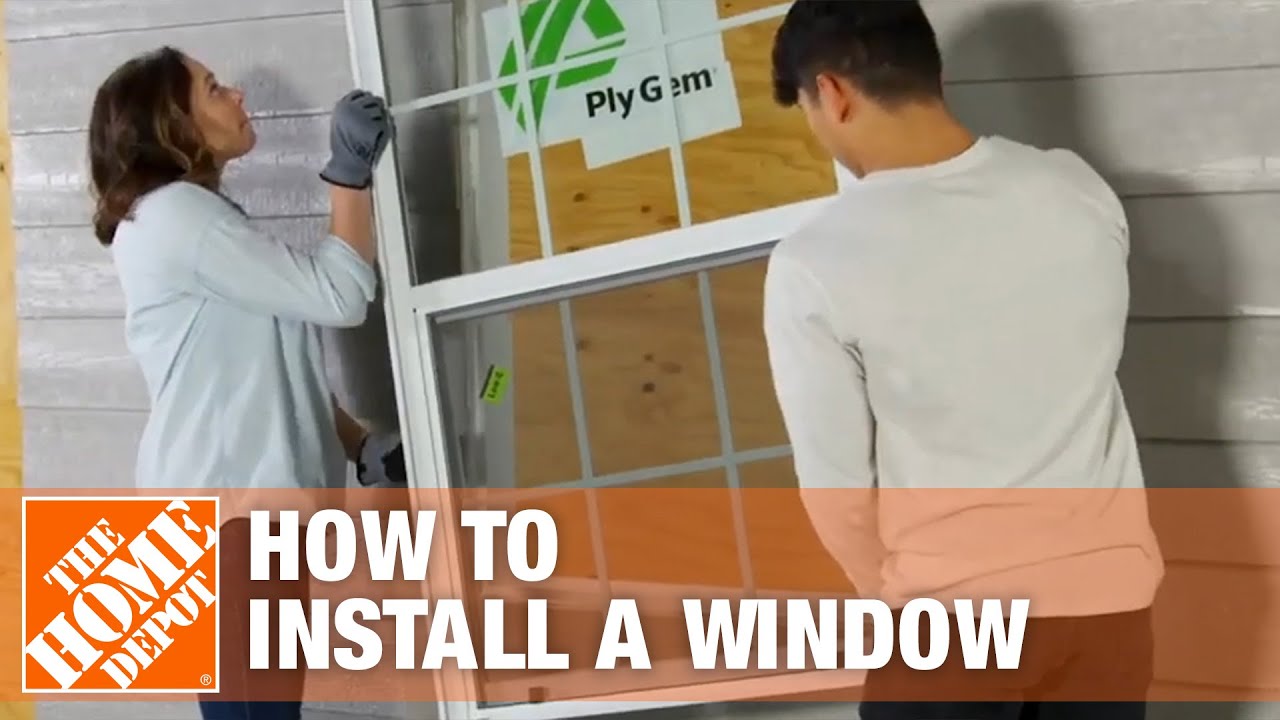
Analysis reveals that following a measured, documented process reduces failed inspections and homeowner frustration. The steps are practical and repeatable across most jurisdictions, though local amendments may change trigger distances for safety glazing or ventilation percentages.
Final practical guidelines
In brief: kitchens can have windows with a wide range of heights, but "different height rules" applies when the window is intended to serve specific code functions. The key measurable thresholds to remember are the egress sill maximum of 44 inches, egress clear-opening minimums (net 5.7 sq ft, 24-inch minimum height, 20-inch minimum width), and the 4% openable area guideline for natural ventilation if standard rough opening sizes you choose to rely on windows. The data suggests that aligning finished floor and countertop elevations with window selection at the planning stage prevents most inspection failures. Thought experiments help you see the trade-offs: lowering a sill improves view and potential egress but may require tempered glass; raising a sill favors storage but limits egress and daylighting.
Evidence indicates the most inspection-friendly approach is early coordination: decide the window’s role, pick a window with manufacturer-certified net clear opening specs that match that role, and document finished elevations for the inspector. When in doubt, call your local building department with the product cut sheet in hand - their interpretation of the local code is binding, and getting that clarity before installation saves time and money.